
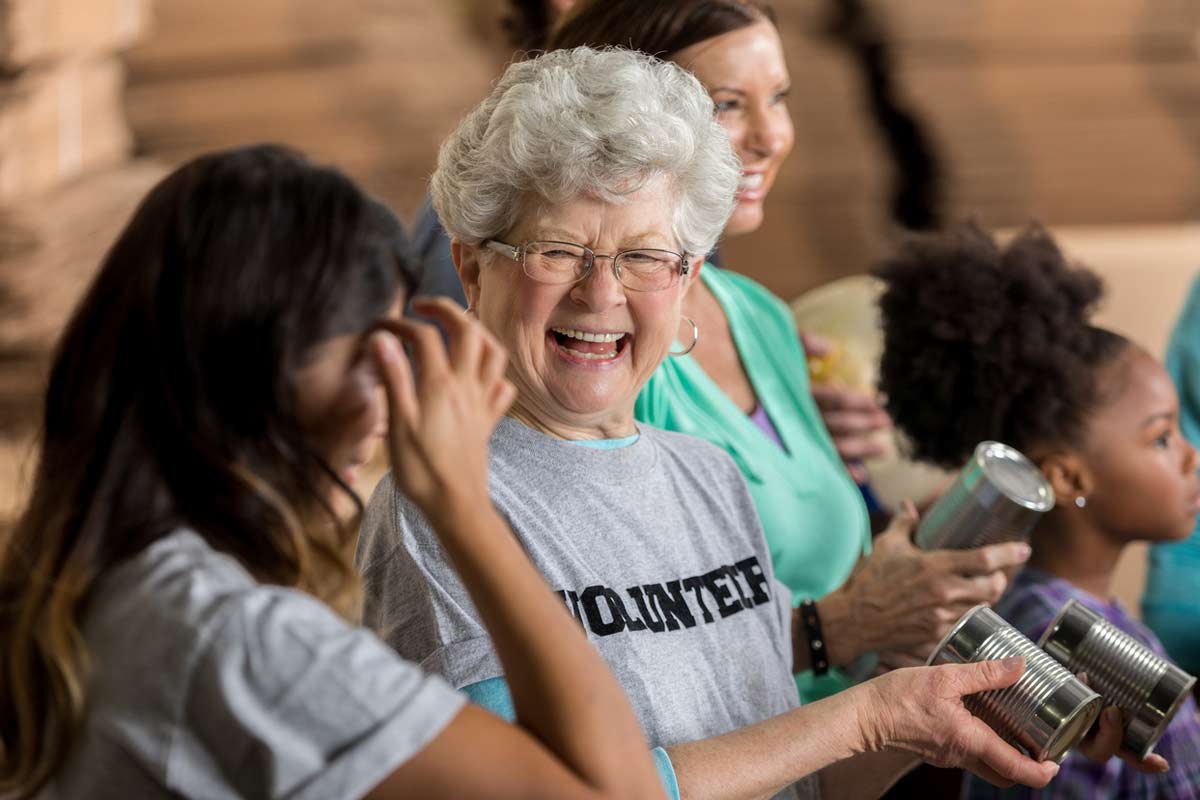
To solicit older adult volunteers, it's essential to approach the recruitment process with respect, understanding, and a focus on the benefits that volunteering can bring to both the individual and the community. Here are some strategies:
1. Tailor Your Message to Their Interests and Experience
- Highlight how their skills and life experiences are valuable and needed.
- Offer volunteering opportunities that align with their interests or past careers, such as mentoring, tutoring, or working on community projects.
- Emphasize the positive impact of volunteering on personal fulfillment and staying active.
2. Use Multiple Communication Channels
- Local Community Centers or Senior Clubs: Partner with senior centers, retirement communities, or senior organizations to share information about volunteer opportunities.
- Social Media and Email: Use digital platforms, including social media channels, targeted to older adults (e.g., Facebook), or send out newsletters to local senior-focused email lists.
- Print Materials: Create flyers, posters, and brochures with clear, concise information about how to get involved, and post them in places frequented by older adults (libraries, community centers, coffee shops).
3. Provide Flexible Volunteering Options
- Offer a range of time commitments, from one-time events to long-term roles, to make it easier for older adults to participate at their own pace.
- Consider remote or virtual volunteer opportunities for those with mobility issues or time constraints.
4. Emphasize Social Benefits
- Highlight the opportunity to meet new people, build relationships, and engage in meaningful social activities.
- Create volunteer roles that foster a sense of community, such as team-based volunteering projects or intergenerational activities.
5. Leverage Testimonials
- Share stories of other older adults who have benefited from volunteering. Testimonials from peers can make the opportunity feel more relatable and less intimidating.
6. Make Volunteering Easy
- Provide simple, clear instructions for how to get involved and sign up.
- Offer a smooth onboarding process, including training or orientation to make new volunteers feel comfortable and supported.
7. Partner with Healthcare Providers and Insurance Companies
- Many healthcare providers or insurance companies offer wellness programs or community-based initiatives that can incorporate volunteer opportunities. They might be able to promote these opportunities to older adults they serve.
8. Create Opportunities for Intergenerational Volunteering
- Offer volunteer activities where older adults can mentor or partner with younger generations, which can be especially rewarding and meaningful.
By emphasizing the positive aspects of volunteering, including community involvement, social connections, and personal fulfillment, you can encourage older adults to participate and make a meaningful impact.


